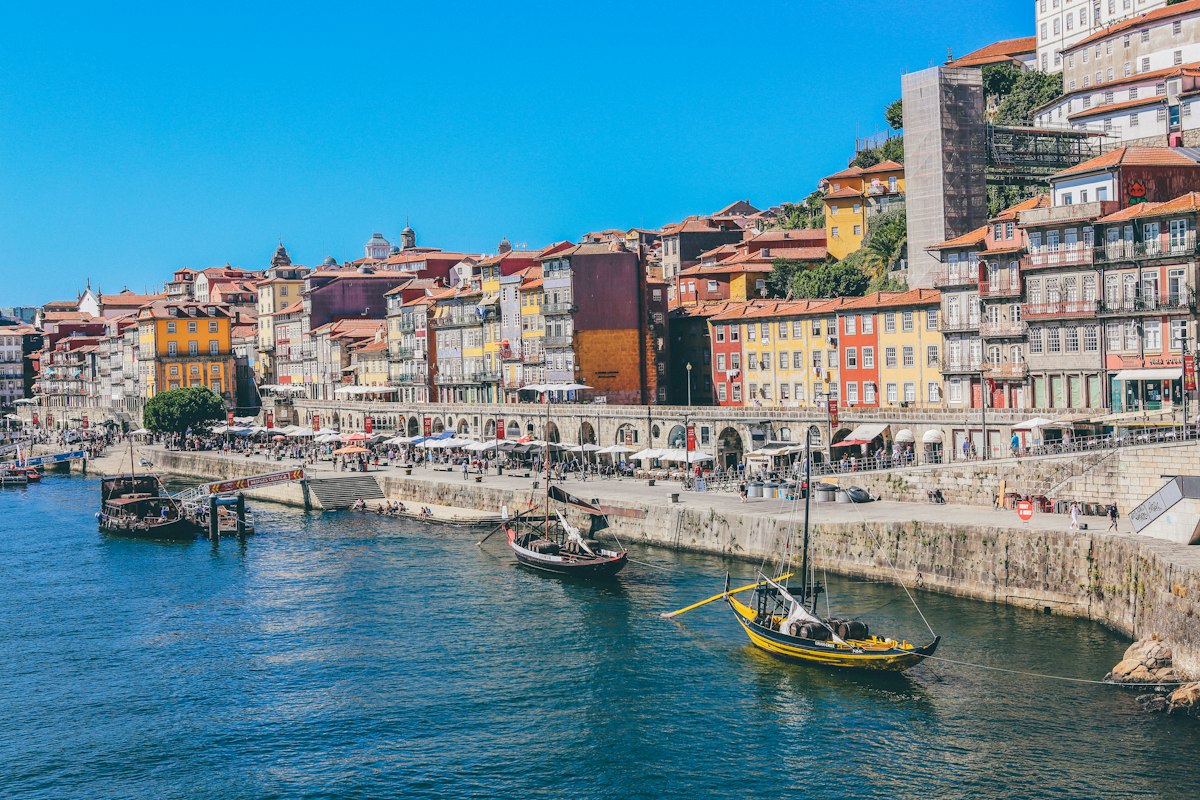
Slow Travel in Lisbon: How Three Weeks Changed My Relationship with Time
What happens when you stop rushing to see 'everything' and instead fall in love with one neighbourhood? We found out in Lisbon.
We had fourteen items on the Lisbon list. The Jerónimos Monastery. The LX Factory market. The viewpoints — all seven of them. The Time Out Market. The fado shows. The day trip to Sintra. The pastéis de nata from the original Pastéis de Belém, obviously.
We crossed off three of them. And it was the best trip of our lives.
The Philosophy of Slow Travel
Slow travel is not a luxury — or rather, it's not only for the wealthy or the location-independent. It's a philosophy that can be applied to a single weekend in a city near home just as much as a months-long sabbatical abroad. The core idea is simple: depth over breadth. Connection over collection.
When we arrived in Lisbon for three weeks (a timeline that felt extravagant to everyone we told), we made one deliberate rule: we would not consult the tourist list before noon. Mornings were for the neighbourhood.
Learning a Neighbourhood
We stayed in Mouraria, one of the oldest districts in the city, a place that guidebooks describe as "up-and-coming" but which felt, in the best way, like it hadn't quite noticed. Our mornings had a rhythm within four days: coffee from the tiny café at the end of the street where the owner knew our order by day three. The market square on Tuesday and Friday mornings. The hill that looked impossible but wasn't. The ceramic shop where the owner spoke no English and taught us four words of Portuguese over three separate visits.
None of this is in any guidebook. All of it is Lisbon.
What You Miss by Moving Fast
When you have three days in a city, you move in a permanent state of mild anxiety. What if you miss something? What if the fado show was the one thing that would have made this trip? You end up spending your trip managing FOMO rather than experiencing the place.
When you have three weeks, a strange thing happens around day five: you stop worrying about the list. The list stops being a failing grade on a test and starts being a gentle suggestion. You go if you feel like it. You don't go if the morning has other ideas.
We went to Sintra. It rained. We shared wine in a tiny restaurant with a German couple who had just sold everything to live on a sailboat. We talked for four hours. That conversation is what I'll remember about the trip.
The Practical Side of Slow Travel
Three weeks in one place is almost always cheaper than two weeks of constant movement, once you factor in accommodation (longer stays get discounts), the elimination of transit costs, and the replacement of restaurant meals with groceries from the local market. We cooked five nights out of seven. We ate better than we do at home.
Some practical anchors that helped:
- Find a neighbourhood café and become a regular. It takes three visits. It transforms your relationship with the whole area.
- Shop at the local market. Even if you're in a hotel. Even if you buy things you can't cook. It gets you into the rhythms of local life in a way that no tourist experience replicates.
- Walk without a destination at least once a day. Set a timer for 45 minutes. Leave the phone in your pocket. Turn left when you would normally turn right.
- Learn five words in the local language. Thank you, please, excuse me, good morning, and one food word. Use them always. The response you get will change how you feel about the whole trip.
On the Guilt of "Not Seeing Everything"
There is a specific kind of travel guilt that comes from admitting you didn't do the Things. That you went to Lisbon and didn't see Belém. That you went to Paris and skipped the Eiffel Tower. That you spent most of your Tokyo morning in a quiet temple garden rather than the famous fish market.
This guilt is, I think, the residue of treating travel as consumption rather than experience. When you shift the frame — when the point of Lisbon isn't to acquire Lisbon but to be in Lisbon for a little while — the guilt dissolves naturally. You didn't fail to see everything. You succeeded in seeing something.
Slow travel teaches you that places are not puzzles to be solved or checkboxes to be ticked. They are living things that take time to reveal themselves.
We're Going Back
We didn't see the Jerónimos Monastery. We never made it to the LX Factory. We saw two of the seven viewpoints and found one of our own, a staircase landing where a cat slept in the sun and the whole city spread below us and nobody else seemed to know it existed.
We're going back in the autumn. We'll have a list. We might not follow it.