Why Nature Restores Your Attention: The Science of Green Spaces
After twenty minutes in a park, most people feel measurably better. This is not coincidence or placebo — the mechanism is specific and well-studied.
In 1989, environmental psychologists Rachel and Stephen Kaplan published their Attention Restoration Theory (ART), which proposed that natural environments restore directed attention capacity through a mechanism they called "soft fascination" — the gentle, involuntary engagement that nature demands, as opposed to the hard, effortful attention that modern work and urban environments require.
The theory has since accumulated substantial experimental support. Studies consistently show that brief exposure to natural environments — real or even photographed — reduces cortisol, lowers blood pressure, improves directed attention performance, and elevates mood. The effects appear within 20–30 minutes and are distinct from the benefits of physical exercise.
What "Soft Fascination" Means
Directed attention — the kind required for work, driving, reading a screen — depletes a cognitive resource. The brain's inhibitory systems, responsible for filtering out distraction, fatigue with use and require rest to recover.
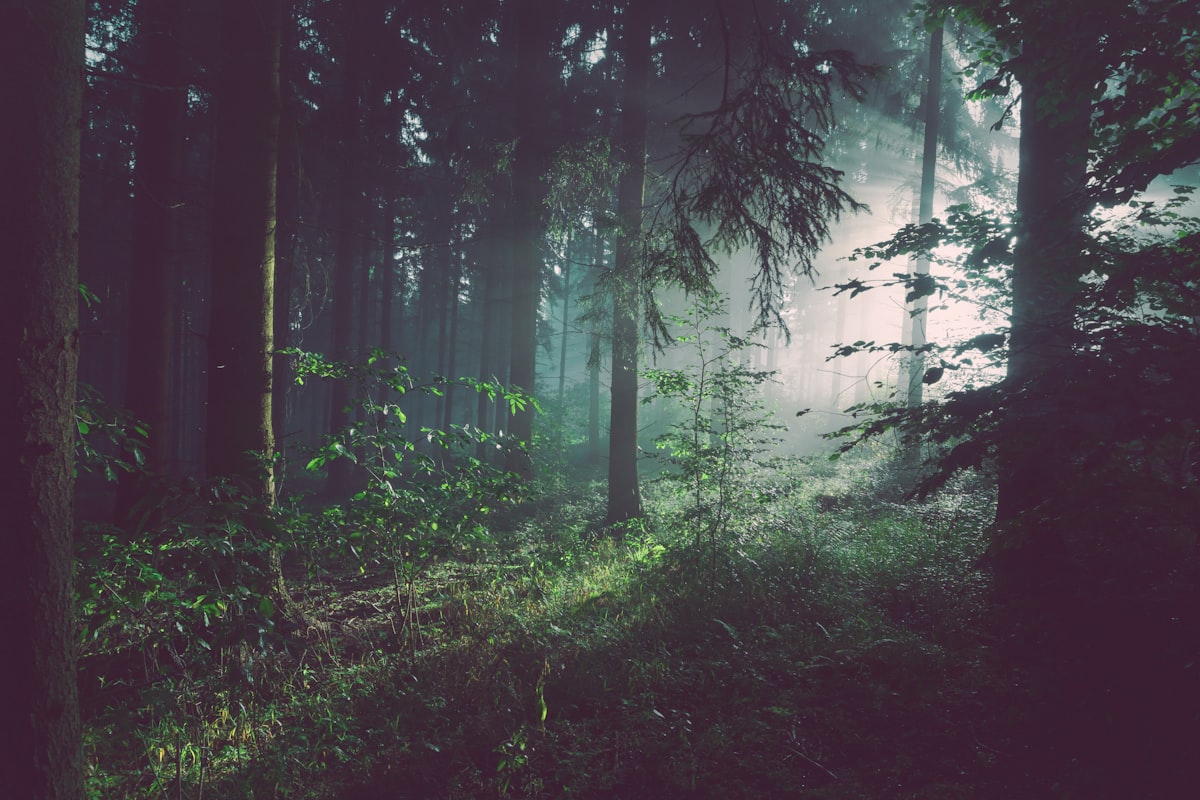
Natural environments engage attention involuntarily, through sounds, patterns, and movement that are intrinsically interesting but not cognitively demanding: the way leaves move, the patterns of light on water, birdsong, the geometry of branches. This gives directed attention time to recover without requiring complete disengagement from the environment.
The Practical Implication
Twenty minutes in a park or green space during a workday is not a break from productivity — it is a maintenance strategy for the cognitive capacity on which all productivity depends. Organisations that have tested this report measurable improvements in afternoon focus among employees given green space access at lunch.
You do not need a forest or a dramatic landscape. Urban parks work. Gardens work. Even a view of trees from a window produces measurable (if smaller) effects. The brain knows the difference between a natural and a built environment even when the person doesn't consciously notice it.
Green space is not a luxury amenity. It is cognitive infrastructure — as necessary to sustained attention as sleep, nutrition, or rest.