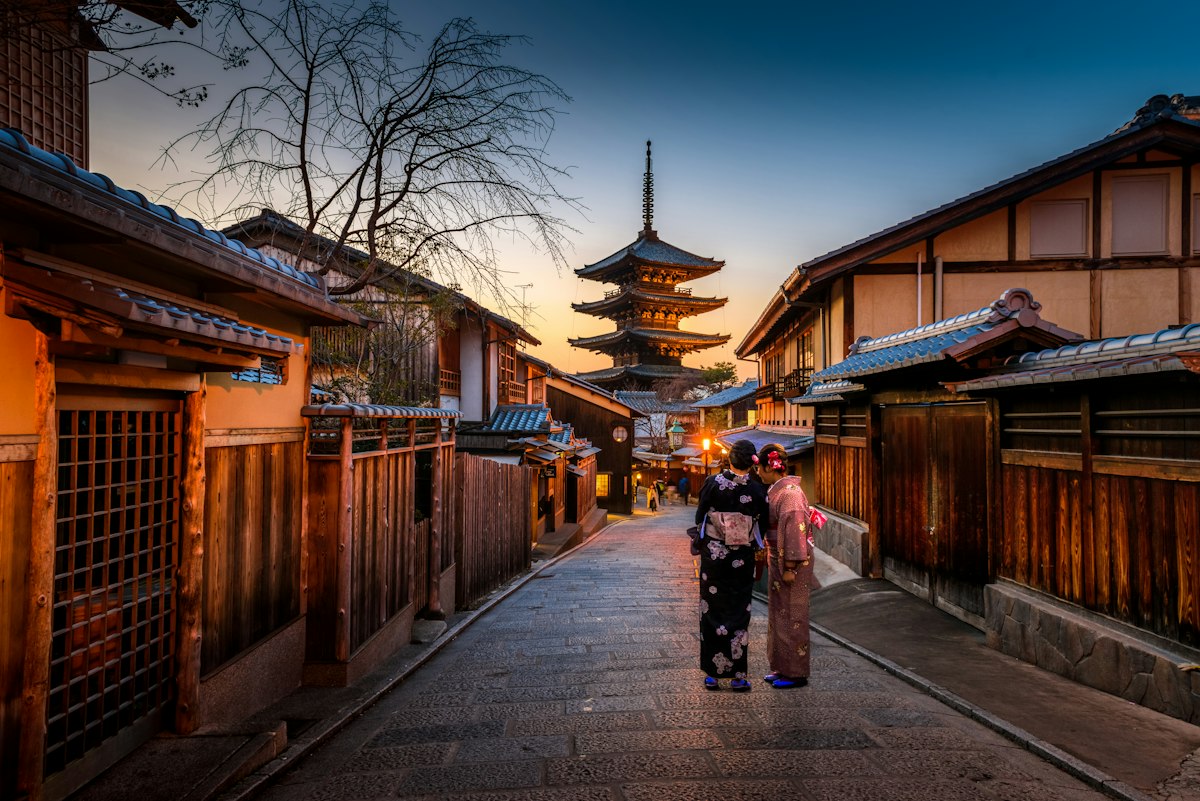
One Month in Kyoto: Learning to See What Is Actually There
Kyoto in one week gives you the highlights. Kyoto in one month gives you something harder to name — a city that had been hiding from you in plain sight.
Kyoto receives approximately 50 million visitors per year. Most of them see the same fifteen things: the bamboo grove at Arashiyama (best photographed at 6am before the crowd), Fushimi Inari's thousand gates (best walked all the way to the top, which the crowds rarely do), Nishiki Market, the Philosopher's Path in cherry blossom season. These are excellent. They are also the beginning of Kyoto, not the whole of it.
The City Behind the Tourism
Kyoto has 1,600 temples and shrines, most of which receive no significant tourist traffic. Many are free, or cost 300 yen (about £1.50) to enter. We found a dozen of these within walking distance of our apartment in Fushimi — small, quiet, often staffed by a single elderly caretaker who seemed genuinely pleased to see a visitor.
These unremarkable temples were where we understood Japan most. The rituals were the same: the approach, the purification, the bell, the bow. But without the crowds, you could hear the ritual. You could feel what it was for.
Nishiki in the Morning
The tourist guidebooks send you to Nishiki Market, "Kyoto's Kitchen," at midday, when it is heaving with visitors eating things on sticks. We started going at 8am, when it is a working market. The vendors are preparing, talking to each other, opening deliveries. You can have a conversation. You can understand what the stalls are actually selling and why.
The Tea
We made a weekly ritual of the tea. Not a formal tea ceremony, which is beautiful but performative in its tourist form. Just buying matcha from the same small shop in Uji (the town that produces Japan's finest tea, 30 minutes from Kyoto by train) and preparing it at the apartment in the way the shopkeeper showed us. Fifteen minutes of attention. The quality of presence it requires is not small.
What Slow Travel Does to Language
By week three, we had accumulated enough Japanese to have simple conversations. Not fluency — maybe 200 words. But enough to buy things and thank people and apologise and ask where something was. The reaction this produced in people was entirely disproportionate to the skill level, which revealed something about what language represents: not communication, exactly, but effort. The willingness to enter someone's world on their terms.
The Japan that takes a month to reveal itself is not hidden. It is simply patient.