Iceland in the Off-Season: The Island Without the Crowds
In summer, Iceland's ring road is a convoy of campervans. In October, you might have a waterfall entirely to yourself. A guide to Iceland's quieter months.
Iceland receives approximately 2 million visitors per year in a country of 370,000 people — a ratio that has produced a tourist economy and a tourist problem simultaneously. In July and August, Seljalandsfoss waterfall has a queue. The Blue Lagoon is booked out six weeks in advance. The most spectacular natural landscape in Europe has, in peak season, the experiential quality of a theme park.
In October, November, and late February to March, Iceland is a different country.
The Off-Season Argument
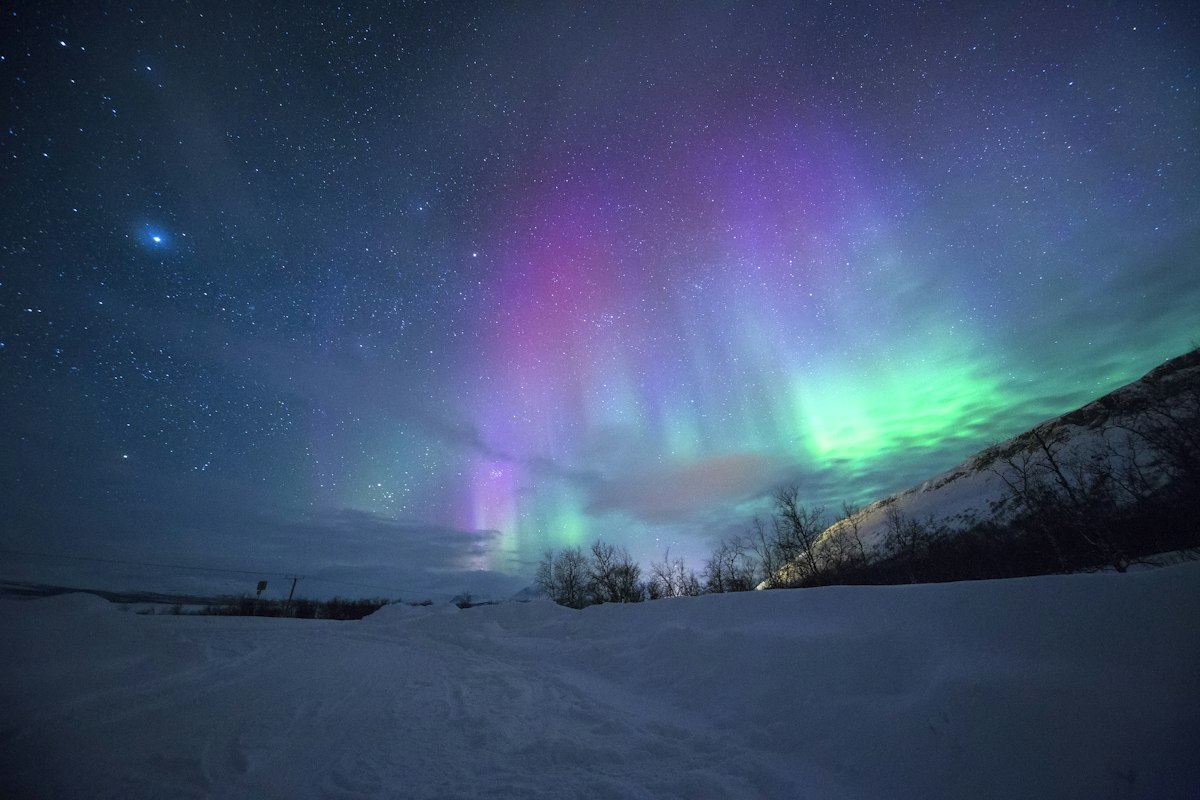
The light in September and October is extraordinary — low-angle golden hour that lasts all afternoon. The tourist infrastructure remains fully functional (unlike January and February, when some roads and attractions close). The northern lights, absent in summer due to 24-hour daylight, return in September and are visible on clear nights from any dark location. Accommodation costs 30–50% less than peak season.
The trade: some highland roads are closed, you need genuine cold-weather gear, and the days are shorter. These are not significant barriers if you've planned for them.
The Places That Transform Off-Season
The Snæfellsnes Peninsula: One of Iceland's most varied landscapes — glacier, lava fields, fishing villages, dramatic coastline — and less visited than the south coast even in peak season. In October, you may genuinely have Snæfellsjökull glacier to yourself.
The Westfjords: Iceland's most remote region, accessible by summer but genuinely quiet by mid-September. The drive in alone — dramatic fjords, single-track roads, the sense of being at the edge of the world — is the point.
Reykjavik in winter: The city compresses into its cafés, its geothermal pools, and its genuine cultural life. The tourist layer recedes. The bookshops and the music venues and the small restaurants that serve what Icelanders actually eat become accessible without planning.
On Northern Lights Hunting
The northern lights are unpredictable and require a clear, dark sky. The best strategy: stay for at least five nights in a location with low light pollution, check the aurora forecast daily (vedur.is), and be prepared to drive to darkness at short notice. Being rigid about plans and the aurora are incompatible.
Iceland's landscapes were not built for photography. They were built by geological time, for the overwhelming of the human sense of scale. Arrive in the quiet months and you can feel that.