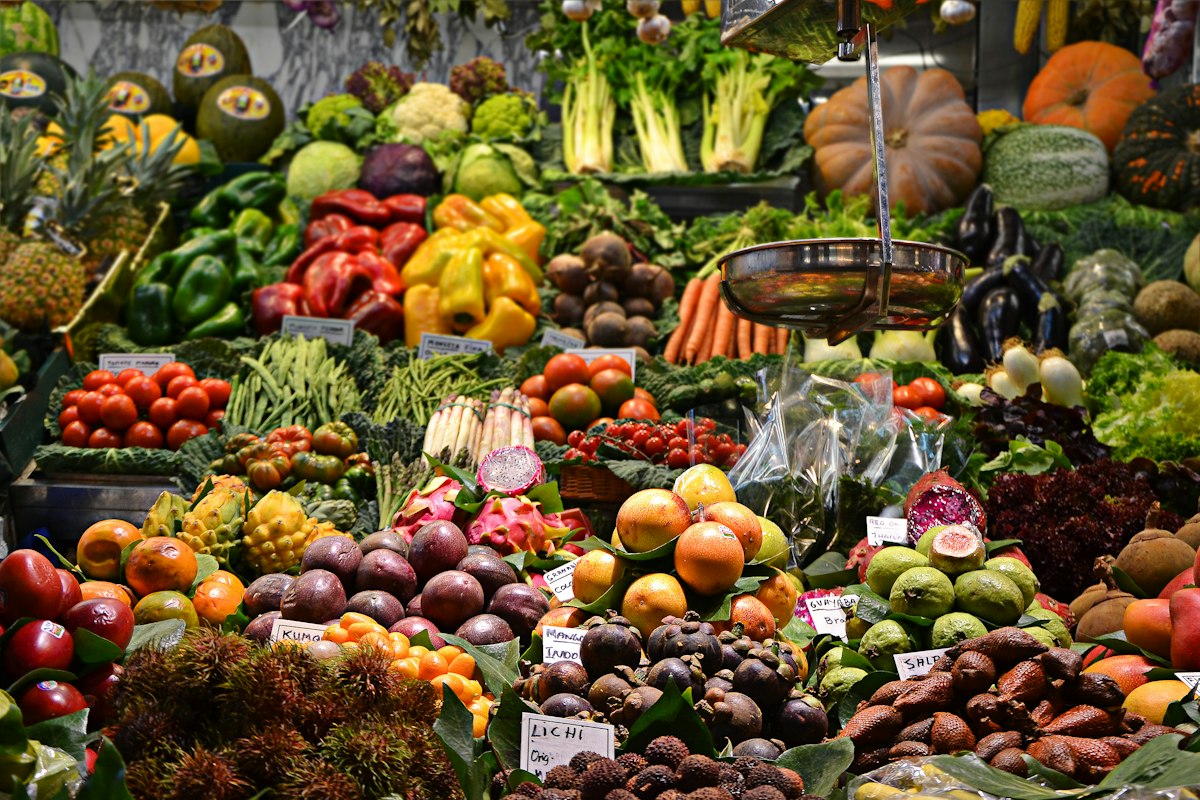
The Farmers' Market: A Guide to Shopping Local (And Why It's Worth It)
Farmers' markets are not just for people with tote bags and extra time. They are among the most direct connections available between food and the people who grow it.
There is a moment that happens reliably at a farmers' market that does not happen at a supermarket: a conversation about food with the person who grew it. Not a customer service interaction, but an exchange — about the variety, the season, how it was grown, what to do with it. This conversation is worth something beyond the information it contains.
The Practical Case
Farmers' markets typically offer produce that was harvested within 24–48 hours. For most vegetables, this means peak nutritional content and peak flavour. A tomato bought from a local grower in August and a tomato bought from a supermarket in August are both called tomatoes. They are not the same food.
The price comparison is more nuanced than "markets are expensive": staple vegetables (potatoes, onions, root vegetables, brassicas) are often competitively priced or cheaper than supermarkets. Premium items (heritage varieties, unusual produce, top-quality fruit) are more expensive — but you are comparing different goods, not the same one at different prices.
How to Shop Well at a Market
Arrive with a budget but without a fixed list. The mistake of market shopping is trying to recreate a supermarket shopping trip with fixed items in mind. The better approach: walk the whole market first, note what looks exceptional, buy those things, and plan the week's meals around what you bought rather than buying to a pre-set plan. This is seasonal cooking in practice.
Build a relationship with two or three stalls over the season. Ask questions. Traders with direct relationships with their customers give better service, often better prices, and sometimes access to things not on display.
Buying food from the person who grew it is one of the simplest, most direct acts of ecological and community connection available to most of us. It costs fifteen minutes of a Saturday morning.